

Posted on 16/03/2024 (GMT 13: 21 hrs) In continuation to our sarcastic, satirical portrayal (by intentionally playing the devil’s advocate through the masking process) of the Hindutvavadin by targeting certain modules of Saffron Fascism, the following letter was sent regarding the use of leather in Sports and Music industries in India in contradistinction to theContinue reading “Wither Leather-Feather from Gaming and Musicking?”
Babri Masjid to Ram Mandir: Modi as PM vs Modi as citizen (?)- An RTI to the PMO, India

The article discusses an RTI (Right to Information) query filed with India’s Prime Minister’s Office (PMO) regarding whether Narendra Modi participated in the Ram Mandir’s Bhumi Pujan and inauguration in his personal or official capacity. The PMO’s response stated that the Prime Minister is always on duty, indicating he attended as the PM, which raises concerns about the violation of India’s secular Constitution. The article critiques Modi’s actions and highlights the broader political implications, calling for resistance to the perceived rise of a Hindu Rashtra.
The “Goodwill” (?) of R. Subramaniakumar, the ex-Administrator of DHFL

The article critiques R. Subramaniakumar’s role in the DHFL resolution process, alleging bias towards Ajay Piramal and adverse effects on small depositors. It accuses Subramaniakumar and the Committee of Creditors (CoC) of mishandling the process, leading to significant financial losses for stakeholders. His subsequent appointment as CEO of RBL Bank reportedly caused a drop in its stock value, reflecting market distrust due to his past actions. The piece questions the integrity and legality of the actions taken during the resolution process of the DHFL.
DHFL Victims in the Laboratory State of IBC: “Litmus Test”?
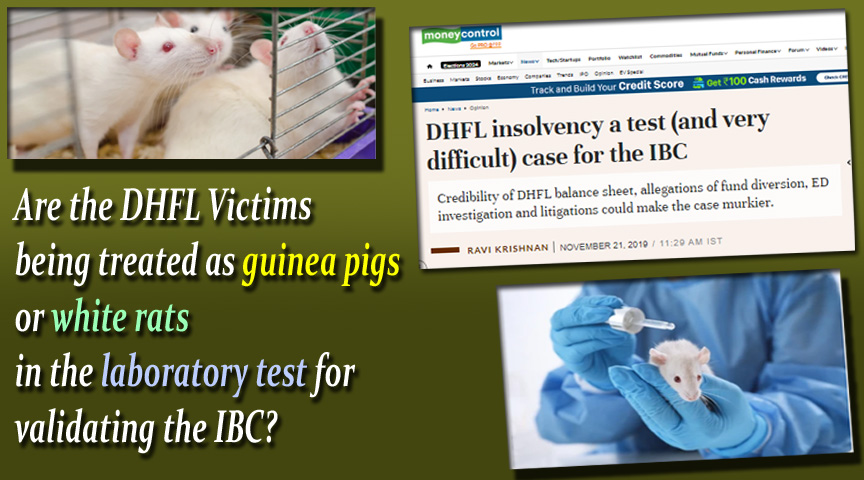
Posted on 15/03/2024 (GMT 16:10 hrs) Updated on 31st August, 2024 (GMT 16:54 hrs) ABSTRACT The article critiques the DHFL resolution process under India’s Insolvency and Bankruptcy Code (IBC), describing it as a “litmus test” for legitimizing the IBC. The author argues that the process was flawed, with victims being treated as “laboratory test-subjects” inContinue reading “DHFL Victims in the Laboratory State of IBC: “Litmus Test”?”
The Pharmacological Garden of Paramavaiṣṇava Ajay Piramal: A Case Study

The paper engages itself with the question of the predominance of Pharmaceutical industries in over-medicalizing the health of human and non-human populations as well as the supposed “nature”. It focuses on a specific case-study from a village named Digwal, Telangana, India, and performs a Foucauldian investigative discourse analysis on the text in relation to an environmental terrorist big-Pharma headed by business tycoon Mr. Ajay Piramal. The very legitimacy of the medical space and gaze is thoroughly critiqued in the course of the paper by bringing into attention the inevitable failure of the simulated Summersian project of “Let them eat pollution”.
RTIs to the Supreme Court of India and the DHFL Victims: An Impromptu Podcast

Posted on 27/02/2024 (GMT 17: 05 hrs) We are heartily grateful to the RTI Cell, Honourable Supreme Court of India, for its kind and friendly cooperation with the OBMA RTI Activists in relation to the DHFL Scam. With regard to the two appeals filed to the CPIO in relation to the following two RTIs toContinue reading “RTIs to the Supreme Court of India and the DHFL Victims: An Impromptu Podcast”
How Do We Have So Little in Our Pockets Given That The Few Have So Much Money?
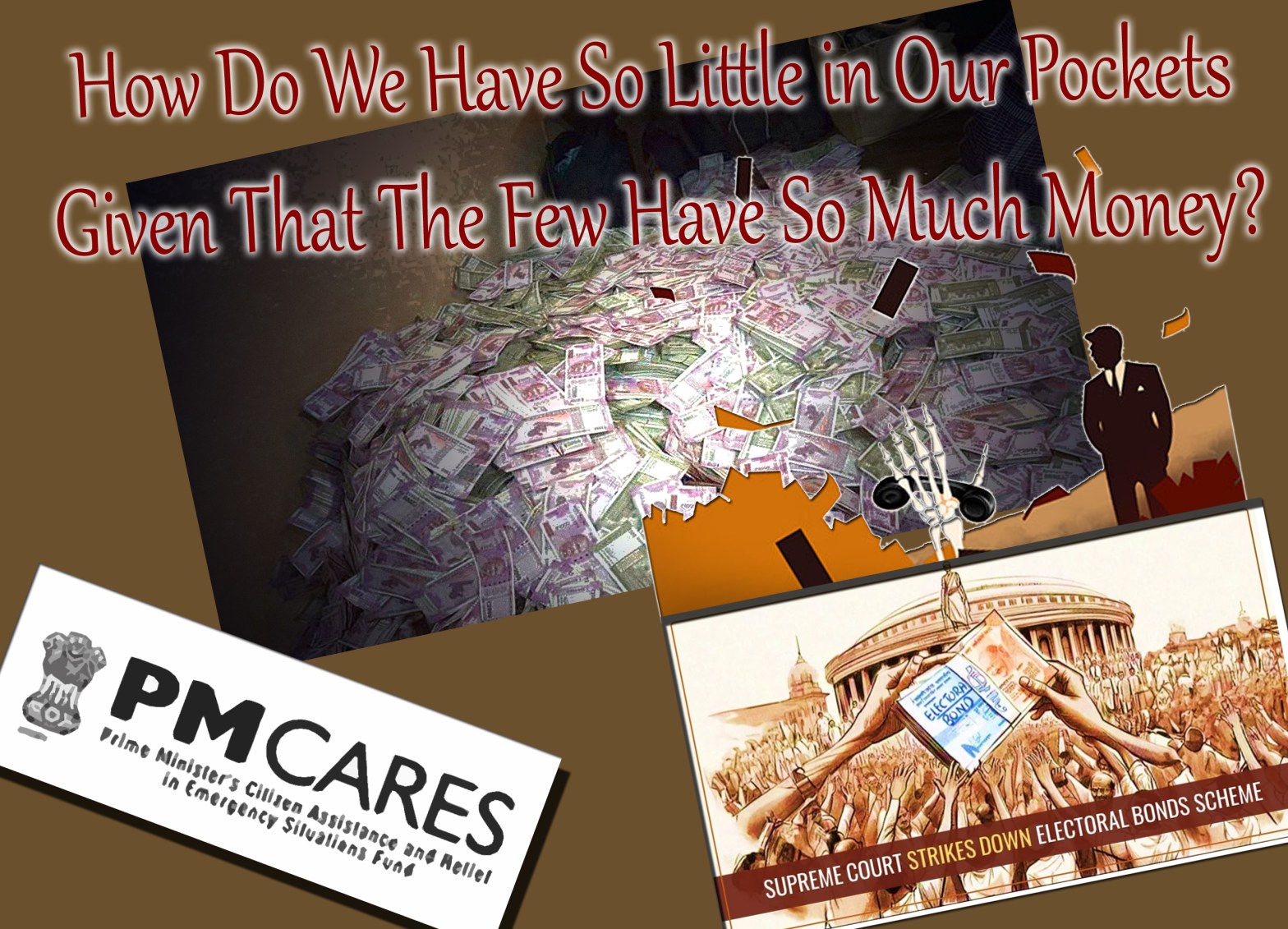
The letter appeals for the restitution of funds to DHFL victims, who lost savings due to the insolvency process. Addressed to Indian authorities, it references classical texts to underscore state responsibility toward citizens’ welfare. It proposes possible fund sources, including electoral bonds, the PM National Relief Fund, PM CARES, SEBI’s Investor Protection Fund, and recovered black money. The authors emphasize fairness and justice, citing other cases of financial redress.
Pradhan Mantri Awas Yojana (PMAY): A Deliberate Systematic Structural Failure?

Posted on 17/02/2024 (GMT 16:22 hrs) Updated on 19/02/2024 (GMT 17:07 hrs) In 1985, the then Prime Minister of India, Mr. Rajiv Gandhi of the Indian National Congress (INC), remarked in a public speech that out of every 1 rupee spent by the government administration for the welfare or the benefit of the downtrodden orContinue reading “Pradhan Mantri Awas Yojana (PMAY): A Deliberate Systematic Structural Failure?”
Obituary of M. S. Swaminathan: The Proliferation of Death Industry

The article critiques the legacy of M. S. Swaminathan, highlighting his role in promoting chemical-intensive agriculture during the Green Revolution. It draws parallels between post-World War II repurposing of wartime chemicals into pesticides and fertilizers, suggesting that such practices have commodified life and contributed to environmental degradation. The authors argue that this approach to agriculture has transformed seeds into mere commodities, undermining their natural essence, and liken this to broader themes of exploitation and depersonalization in modern industrial practices.
THE ARCHAEOLOGY OF THE ARCHAEOLOGY OF HINDUTVAVADI POLITIK: THE POVERTY OF EPISTEMOLOGY

Posted on 13/02/2024 (GMT 17:15 hrs) Abstract The paper deals with the empirical evidences cum analyses of manufacturing anti-historical as well as ahistorical narratives of the Sangh Parivar in India. In doing so, it follows the Foucauldian method of “archaeological digging” in the given discursive formation. The paper aims to repudiate the Islamophobic, Expansionist, HinduContinue reading “THE ARCHAEOLOGY OF THE ARCHAEOLOGY OF HINDUTVAVADI POLITIK: THE POVERTY OF EPISTEMOLOGY”
 Once in a Blue Moon Academia