
The article critiques R. Subramaniakumar’s role in the DHFL resolution process, alleging bias towards Ajay Piramal and adverse effects on small depositors. It accuses Subramaniakumar and the Committee of Creditors (CoC) of mishandling the process, leading to significant financial losses for stakeholders. His subsequent appointment as CEO of RBL Bank reportedly caused a drop in its stock value, reflecting market distrust due to his past actions. The piece questions the integrity and legality of the actions taken during the resolution process of the DHFL.
Category Archives: Activities
Our current activities concentrate on the case of Dewan Housing Finance Corporation Limited (DHFL), India. While exploring and investigating this particular case, we have found that India’s crony ruling party, gangsters, banksters as well as religious gurus and institutions are involved in the same. Therefore, to break such collusion, we have decided to deploy an “all out attack” on the existing paradigm of neoliberal market economy as well as market fundamentalism. ***DISCLAIMER: We have collected all the data from available sources on the internet as given on the official portals of media houses, websites and institutions and organizations. We are not first-hand reporters and hence, we are not liable for any inadvertent error or value-loaded statements made on those portals. All propositions have to be viewed as descriptive assertions on the given point of concern.***
DHFL Victims in the Laboratory State of IBC: “Litmus Test”?
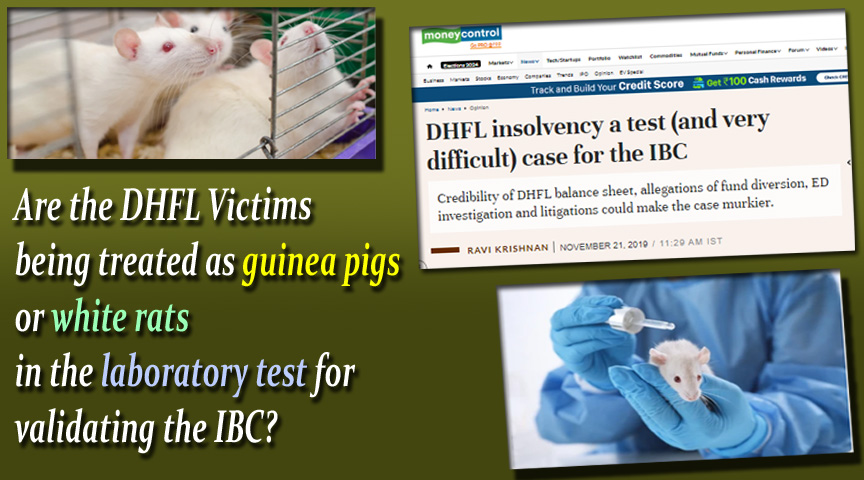
Posted on 15/03/2024 (GMT 16:10 hrs) Updated on 31st August, 2024 (GMT 16:54 hrs) ABSTRACT The article critiques the DHFL resolution process under India’s Insolvency and Bankruptcy Code (IBC), describing it as a “litmus test” for legitimizing the IBC. The author argues that the process was flawed, with victims being treated as “laboratory test-subjects” inContinue reading “DHFL Victims in the Laboratory State of IBC: “Litmus Test”?”
The Pharmacological Garden of Paramavaiṣṇava Ajay Piramal: A Case Study

The paper engages itself with the question of the predominance of Pharmaceutical industries in over-medicalizing the health of human and non-human populations as well as the supposed “nature”. It focuses on a specific case-study from a village named Digwal, Telangana, India, and performs a Foucauldian investigative discourse analysis on the text in relation to an environmental terrorist big-Pharma headed by business tycoon Mr. Ajay Piramal. The very legitimacy of the medical space and gaze is thoroughly critiqued in the course of the paper by bringing into attention the inevitable failure of the simulated Summersian project of “Let them eat pollution”.
RTIs to the Supreme Court of India and the DHFL Victims: An Impromptu Podcast

Posted on 27/02/2024 (GMT 17: 05 hrs) We are heartily grateful to the RTI Cell, Honourable Supreme Court of India, for its kind and friendly cooperation with the OBMA RTI Activists in relation to the DHFL Scam. With regard to the two appeals filed to the CPIO in relation to the following two RTIs toContinue reading “RTIs to the Supreme Court of India and the DHFL Victims: An Impromptu Podcast”
How Do We Have So Little in Our Pockets Given That The Few Have So Much Money?
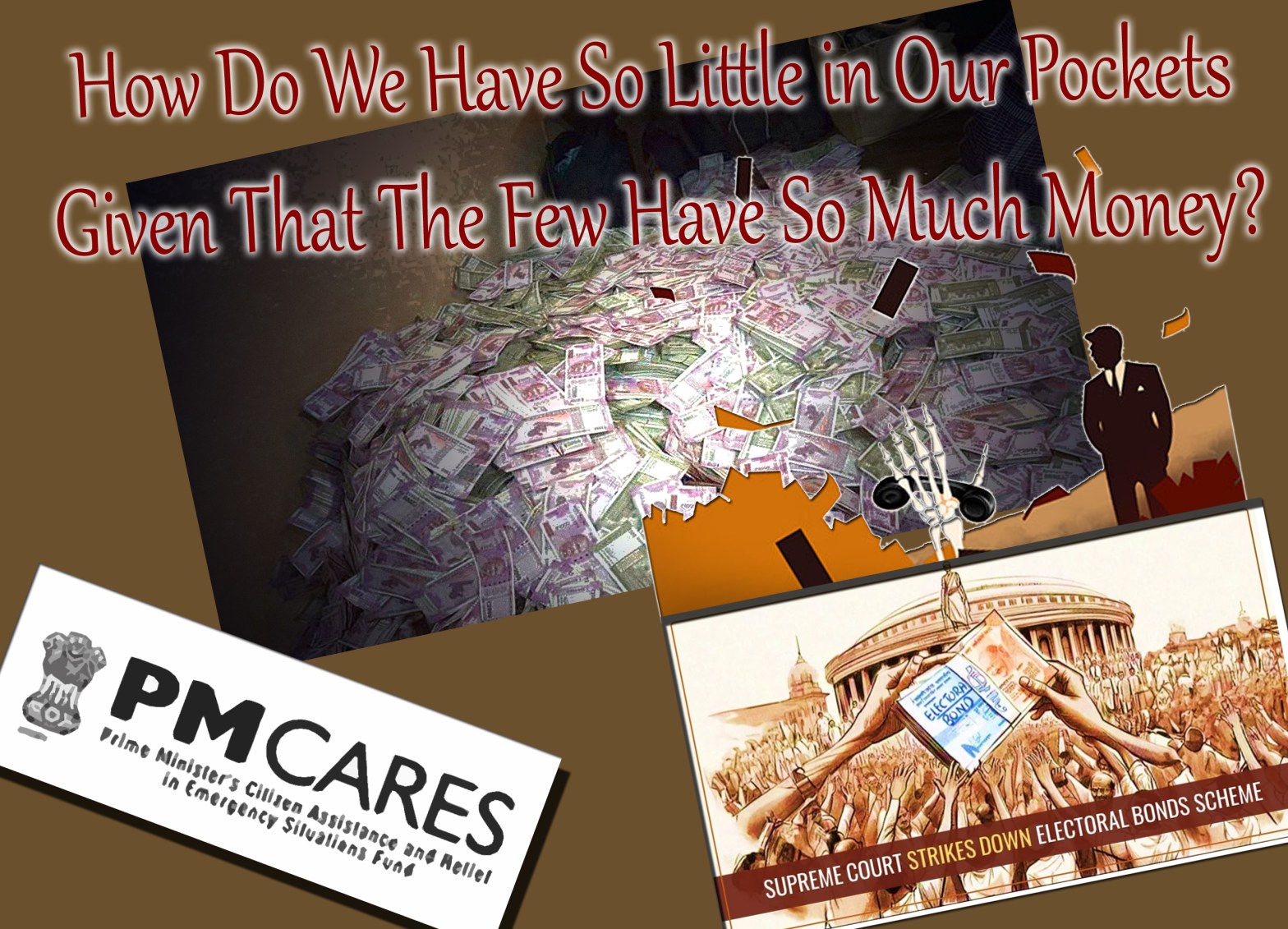
The letter appeals for the restitution of funds to DHFL victims, who lost savings due to the insolvency process. Addressed to Indian authorities, it references classical texts to underscore state responsibility toward citizens’ welfare. It proposes possible fund sources, including electoral bonds, the PM National Relief Fund, PM CARES, SEBI’s Investor Protection Fund, and recovered black money. The authors emphasize fairness and justice, citing other cases of financial redress.
RTIs filed by Once in a Blue Moon Academia (OBMA)
Posted on 13/02/2024 (GMT 15:30 hrs) Updated on 14th October, 2024 (GMT 16:36 hrs) At a time when India is ruled by crony oligarchy with the predominance of two-three business tycoons at the forefront of framing all public policies, taking all judicial decisions and a situation of mass censorship, the Right To Information Act (2005)Continue reading “RTIs filed by Once in a Blue Moon Academia (OBMA)”
The Apex Court of India: RTI Activism on the DHFL Scam

Posted on 10/02/2024 (GMT 08: 55 hrs) Updated on 07/03/2024 (GMT 16:30 hrs) I. With regard to the case of the DHFL scam, some of the OBMA members cum DHFL victims sent mass appeals through snail mail/speed post to the Hon’ble Chief Justice of India, Supreme Court of India, on 16/11/2023. Before these physical appealsContinue reading “The Apex Court of India: RTI Activism on the DHFL Scam”
Money Laundering by the Ruling Party of India: An Open Epistle to the Financial Action Task Force (FATF)
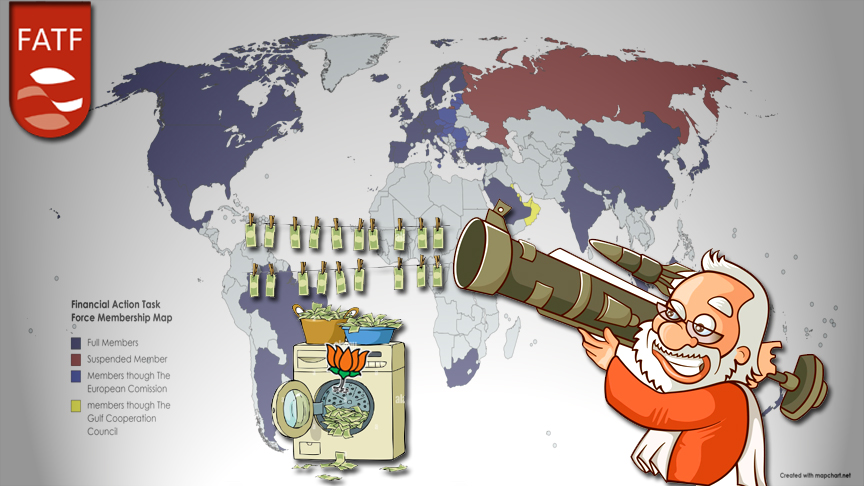
Posted on 09/02/2024 (GMT 13:04 hrs) Updated on 10/02/2024 (GMT 07:56 hrs) To Ms. Violaine Clerc, The Executive Secretary, Financial Action Task Force (FATF) Sub: Informing Atrocities Made by the Government of India (GOI) Dear Ms. Clerc, We are perplexed to view that there is no mention of the nation-state “India” in either your liste noire orContinue reading “Money Laundering by the Ruling Party of India: An Open Epistle to the Financial Action Task Force (FATF)”
The Legitimation Crises of the Indian Judiciary: A Failing State of Affairs?

The article critiques the Indian judiciary, arguing it faces a legitimation crisis. It highlights issues like political influence, favoritism, and a lack of impartiality. Examples include post-retirement jobs for judges linked to the ruling party, delays in resolving crucial cases like the DHFL scam, and concerns over the judiciary’s independence. The piece questions whether the judiciary has upheld its constitutional duties and reflects on Chief Justice DY Chandrachud’s tenure.
Of All the Superrich Wilful Defaulters, Why the Wadhawans alone?
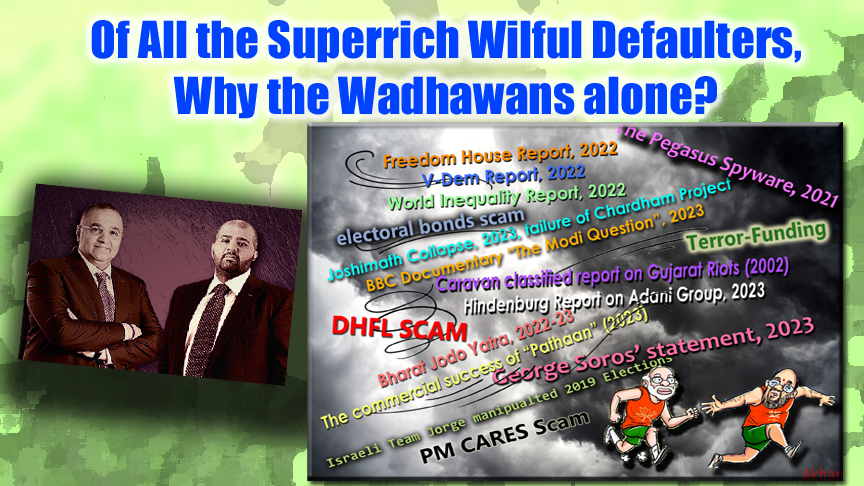
Posted on 30/01/2024 (GMT o9:15 hrs) It all started when Mr. Ajay Piramal suddenly declared in the beginnings of January 2019: “Be prepared for one or two major shocks in the NBFC sector”. THE CHRONOLOGY OF THE DHFL SCAM VIEW HERE ⤡ Just one day after that, on 29th January, 2019, Cobrapost announced its findingsContinue reading “Of All the Superrich Wilful Defaulters, Why the Wadhawans alone?”
 Once in a Blue Moon Academia