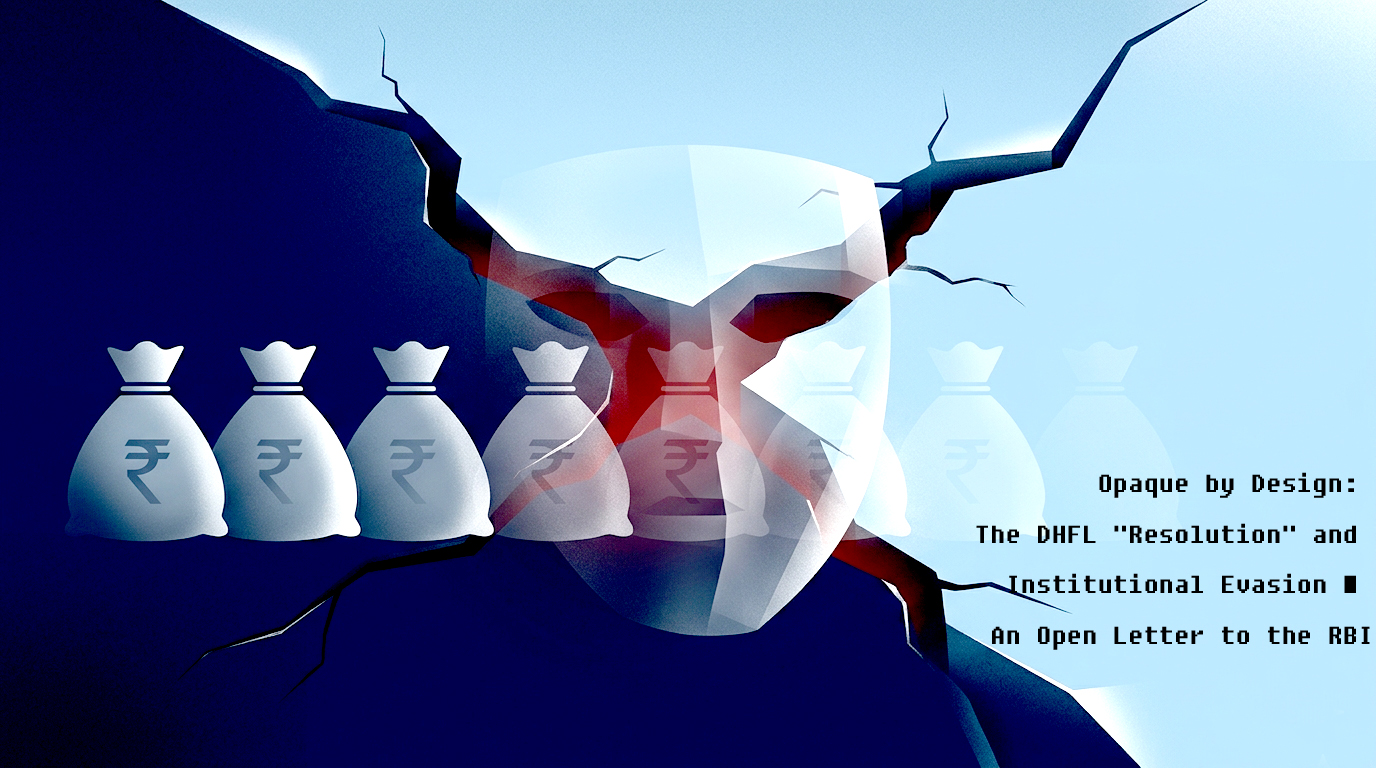
The DHFL insolvency resolution under the Insolvency and Bankruptcy Code (IBC), 2016, stands as a stark exemplar of systemic opacity, regulatory evasion, and alleged crony favoritism in India’s financial ecosystem. Initiated by the Reserve Bank of India (RBI) in November 2019 through the supersession of the DHFL Board and referral to the National Company Law Tribunal (NCLT), the Corporate Insolvency Resolution Process (CIRP) culminated in the approval of Ajay Piramal’s resolution plan by the Committee of Creditors (CoC), the NCLT (June 2021), and ultimately the Supreme Court (April 1, 2025), which upheld the plan—including the appropriation of avoidance recoveries by the successful resolution applicant—while reaffirming the primacy of the CoC’s “commercial wisdom.” The case has drawn sustained scrutiny from approximately 2.5 lakh retail fixed-deposit and NCD holders, who suffered severe haircuts (recovering around 23% of admitted claims), amid allegations of undervaluation, procedural irregularities, premature occupation by the acquirer, and the dilution of fraud-avoidance mechanisms under Sections 32A and 66 of the IBC. Persistent Right to Information (RTI) applications—filed notably by activists associated with “Once in a Blue Moon Academia”—seeking itemized disclosure of the RBI-appointed CoC’s total expenditures (including professional fees, litigation costs, and deductions from the resolution pool) have been met with uniform institutional denial, with the RBI repeatedly claiming it “has no information” and bears no responsibility to maintain or interpret such records, while the Insolvency and Bankruptcy Board of India (IBBI) and the Comptroller and Auditor General (CAG) have similarly deflected or transferred queries. This refusal to disclose even basic expenditure details—despite the RBI’s direct role in constituting the CoC—fuels concerns about a deliberate “will to hide,” potentially masking inflated costs borne by depositors, quid pro quo arrangements linked to political financing, and preferential treatment for well-connected acquirers. Critics increasingly frame the DHFL case as a “test case” for the IBC regime, wherein small savers became unwitting “guinea pigs” in a system dominated by institutional creditors, marginalizing retail stakeholders and entrenching judicial deference to CoC decisions—even in the face of documented NCLAT findings of irregularities. This analysis argues that the DHFL resolution reveals deeper structural flaws in India’s insolvency framework: the transformation of statutory immunity into structural impunity, the erosion of transparency obligations under the RTI Act, and the prioritization of private gain over public accountability. Absent independent investigation and full disclosure, the episode risks eroding trust in regulatory institutions and reinforcing perceptions of oligarchic capture under the guise of financial reform, making urgent rectification of the persistent opacity surrounding CoC expenditures essential to restoring legitimacy to the IBC process and securing justice for affected depositors.
