The “Clean Slate” That Was Engineered: How IBC’s Section 32A Enabled the DHFL–Piramal Takeover
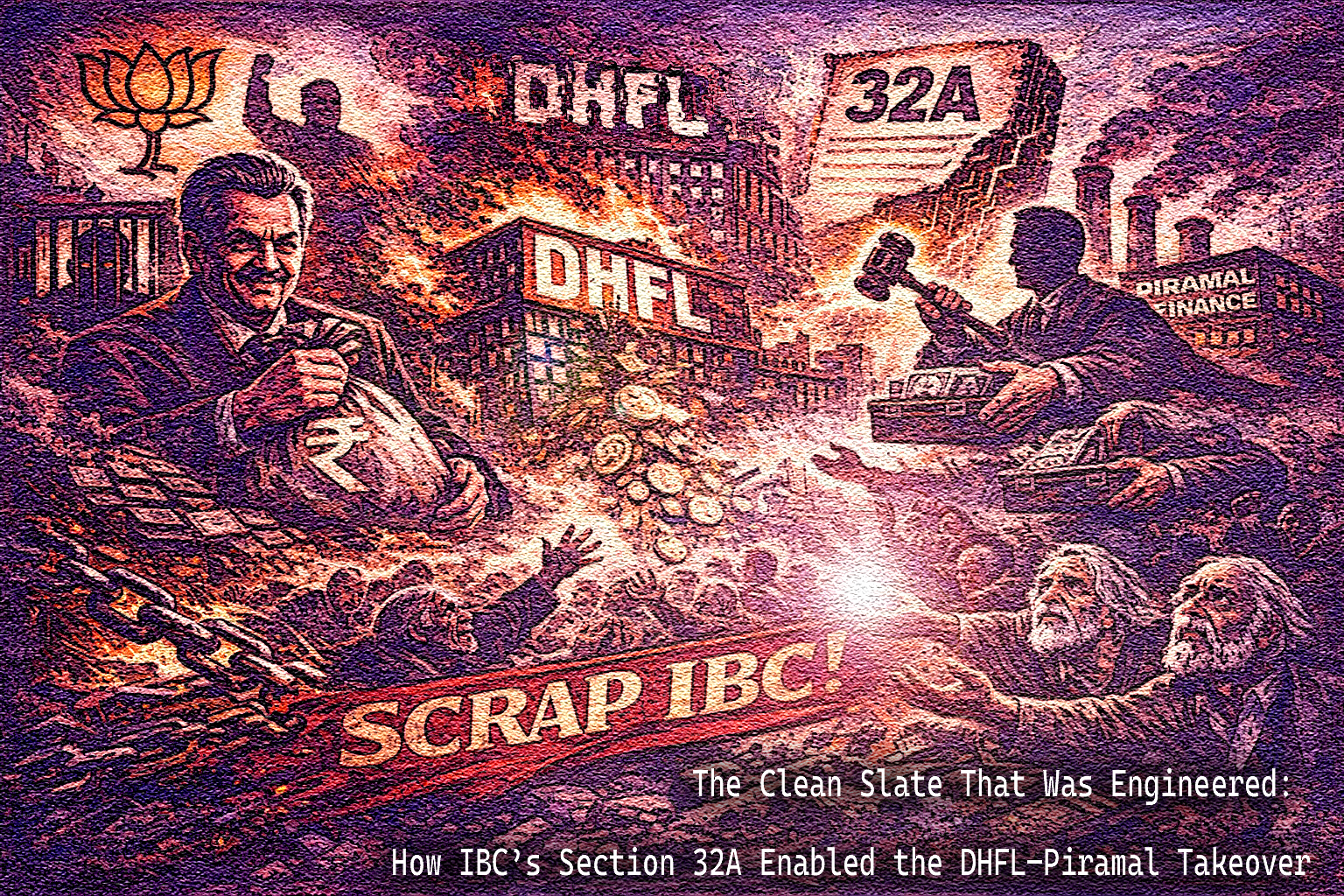
The DHFL insolvency resolution, culminating in its acquisition by Piramal Capital and Housing Finance (now Piramal Finance) and the February 2, 2026, Mumbai PMLA Special Court discharge from a ₹5,050 crore money-laundering case under Section 32A of the Insolvency and Bankruptcy Code (IBC), exemplifies alleged systemic flaws in India’s insolvency framework. This “clean slate” immunity extinguished corporate criminal liability for pre-CIRP offences while preserving prosecution against former promoters like the Wadhawan brothers, despite their ignored full-repayment proposals. Critics portray the process—marked by retrospective Section 32A insertion in December 2019 just before DHFL’s CIRP admission, Ajay Piramal’s January 2019 “shock” prediction preceding the Cobrapost exposé, massive creditor haircuts (54–77% on retail FDs/NCDs), nominal Re 1 valuation for ₹45,000 crore Section 66 avoidance recoveries benefiting Piramal, and upheld “commercial wisdom” in the Supreme Court’s April 1, 2025, judgment—as engineered cronyism favoring politically connected acquirers via electoral bond donations (Piramal entities contributed significantly to BJP coffers per 2024 ECI data), family ties to Ambani, Flashnet deal controversies, and PM CARES funding. Amid Piramal Finance’s resurgence (AUM ₹96,690 crore up 23% YoY, 9M FY26 PAT ₹1,004 crore up 162%, CRISIL AA+ rating), victim groups decry SLAPP suits silencing dissent, statutory contradictions prioritizing new owners over creditors, and demand full repeal of Section 32A to dismantle what they term a sophisticated mechanism of crony enrichment at the expense of lakhs of ordinary depositors’ savings.
