The Big Picture of a Philanthropic Façade: Inside the Piramal Empire
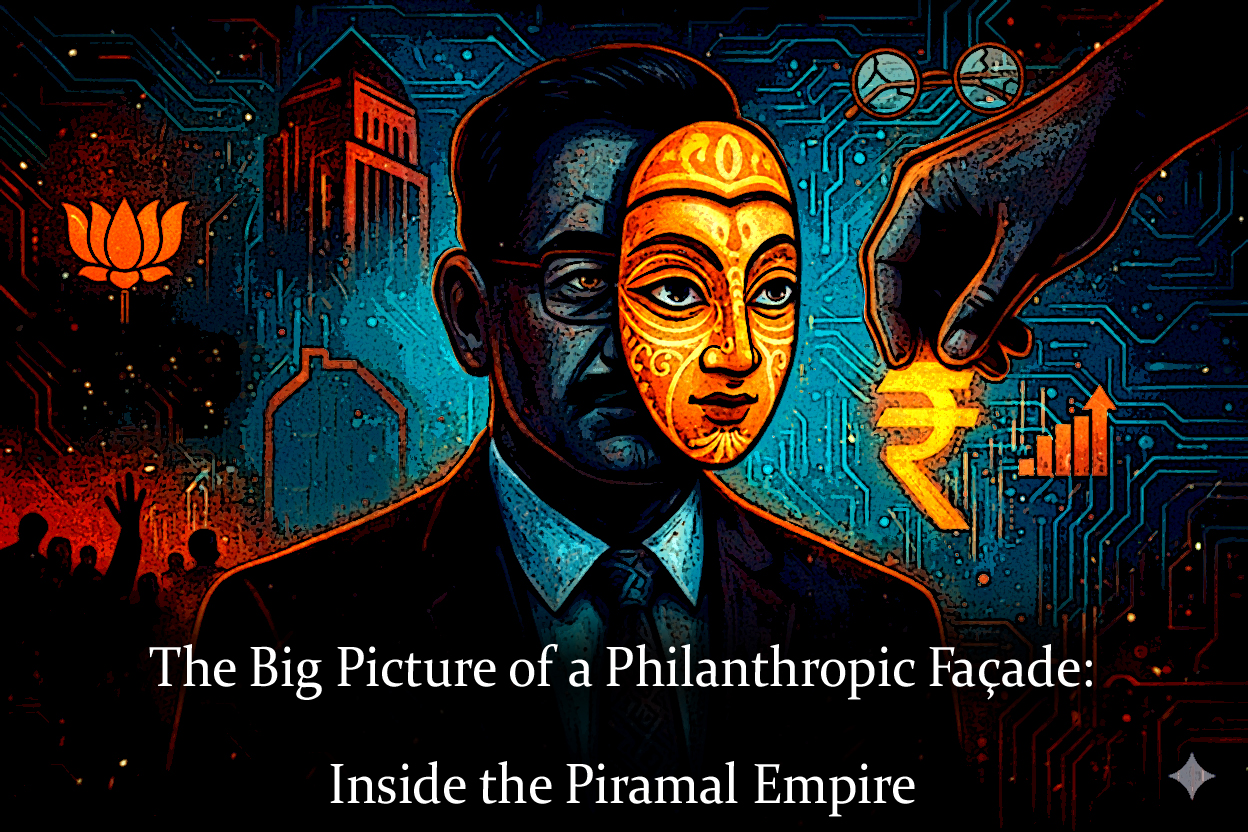
This article offers a critical exploration of the Corporate Social Responsibility (CSR) and philanthropic landscape surrounding the Piramal Group, with particular emphasis on the Piramal Foundation and its mastermind tycoon Ajay Piramal. It highlights the stark contradictions between publicly espoused moral principles and documented corporate controversies. While Piramal frames his business philosophy through the lenses of Gandhian trusteeship, Tagorean humanitarianism, and Vaishnava spiritual teachings—collectively termed by Mr. Piramal as so-called “conscious capitalism”—a series of regulatory incidents, allegations of political ties, environmental transgressions, restructuring tactics, and financial scandals underscore a dissonance between professed ideals and actual practices. The analysis contends that the Group’s philanthropic initiatives often serve not as sincere contributions to societal welfare but rather as moral facades that mitigate reputational damage, alleviate tax burdens, and transform legal mandates into narratives of benevolence. Examples such as CSR responses to historical environmental harm, privileged private healthcare options juxtaposed with public health efforts, and educational institutions seemingly designed to cater to the promoter class illustrate philanthropy being wielded as a tool for image rehabilitation and structural self-legitimization. Through this case study, the article reveals a larger systemic dynamic wherein corporate power deploys the rhetoric of service, charity, and ethical oversight to obscure or deflect scrutiny, raising profound inquiries about the political economy of philanthrocapitalism in contemporary India.
