THE GREAT NON-WILFUL ABSENTEES IN THE RBI-APPOINTED CoC FOR DHFL
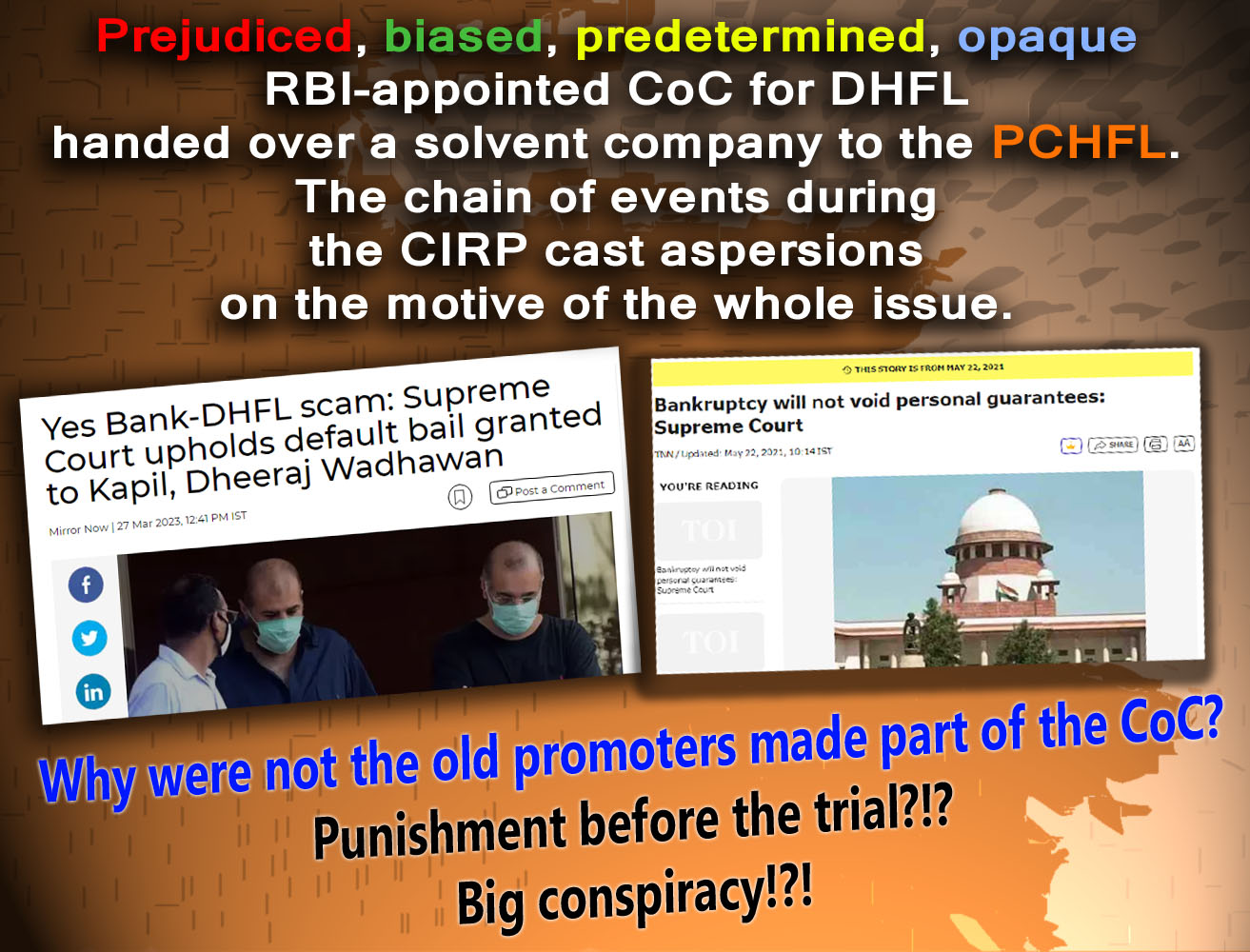
The article from “Once in a Blue Moon Academia” discusses the controversies and challenges surrounding the RBI-appointed Committee of Creditors (CoC) in the Dewan Housing Finance Corporation Ltd. (DHFL) insolvency case, which is one of India’s largest financial scams. Here’s a more detailed summary:
Key Points of Contention:
Non-Inclusion of Major Creditors:
The article highlights the puzzling absence of significant financial institutions from the CoC. These institutions, despite having substantial exposure to DHFL, were not given a seat at the table. This omission raises concerns about whether the CoC was structured in a way that could have skewed the resolution process to favor certain parties over others.
Opaque Decision-Making:
The decision-making process within the CoC has been criticized for its lack of transparency. The article argues that this opacity might have allowed for resolutions that were not in the best interests of all stakeholders, particularly the smaller creditors and the general public who were indirectly affected by DHFL’s collapse.
Role of Ajay Piramal:
Ajay Piramal, a prominent businessman, and his role in the resolution process are scrutinized. The article suggests that there might be conflicts of interest, given his business interests and the influence he could wield over the outcome. It also discusses the legal battles and controversies surrounding his involvement, indicating that his participation might not have been entirely above board.
Legal and Ethical Implications:
The article raises questions about the legal and ethical dimensions of the entire process. It suggests that the way the CoC was formed and operated might have violated principles of fairness and transparency, which are critical in such high-stakes insolvency proceedings. The article implies that these issues could undermine public trust in financial institutions and the regulatory framework.
Broader Impact:
The discussion extends beyond just the DHFL case, touching on the potential long-term implications for India’s financial and regulatory systems. The author argues that if such practices are allowed to continue, they could set a dangerous precedent for future insolvency cases, where powerful interests could manipulate outcomes at the expense of smaller creditors and the public.
Overall, the article is a scathing critique of the CoC’s formation and operation in the DHFL case, calling for greater accountability and transparency in India’s financial regulatory processes. The author’s tone suggests a deep concern for the integrity of the financial system and the protection of public interest.
